
Contamination Control Strategy (CCS)

Aseptic process

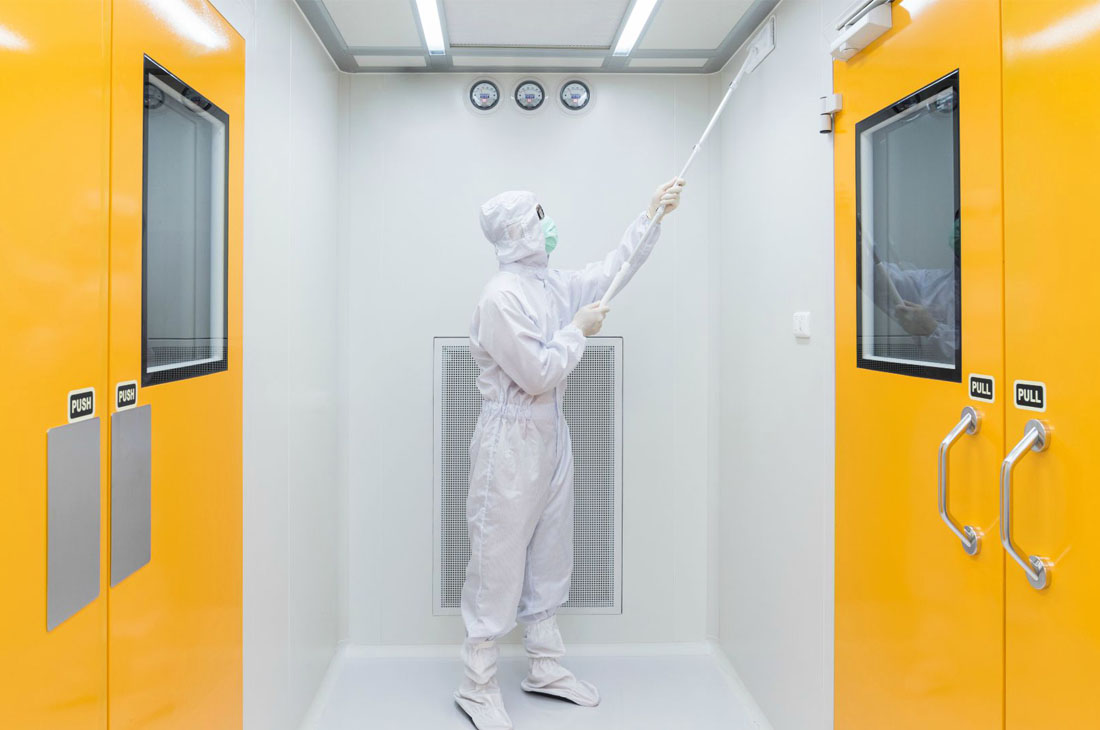
Contamination Control Strategy (CCS) is a fundamental element within the pharmaceutical quality system, especially in aseptic process production environments and clearooms.

In the pharmaceutical sector, the implementation of an effective CCS makes it possible to guarantee a controlled microbiological risk in products, comply with Annex I of European GMPs and, above all, protect the end patient.

To establish a robust and compliant CCS, it is imperative to have a thorough understanding of the aseptic process, critical operations, and workflows within the pharmaceutical manufacturing plant. In addition, a comprehensive vision is required that encompasses all relevant activities, from the design of the facilities to cleaning, decontamination, personnel flow, materials flow and air flow.

What do we offer in our Contamination Control Strategy (CCS) review service?

We work closely with your team to develop and implement a Contamination Control Strategy (CCS), tailored to the specific characteristics of your plant and manufacturing processes. In addition, we can review your CCS to increase its robustness and detect gaps.

Our services include:

  • Specialized technical audit in CCS: We evaluate the current contamination control system to identify possible areas for improvement. This audit is essential to prepare for health authorities auditsand ensure compliance with Good Manufacturing Practices (GMP).
  • Preparation of the CCS document in accordance with current regulations: We draft and structure a Contamination Control Strategy document that complies with the requirements of Annex 1 of the European GMPs, the last update of which came into force on August 25, 2023. This document is mandatory for all facilities that undergo sterile manufacturing.
  • Continuous support and specialized training: We offer continuous technical support and training to the personnel involved, to ensure that the CCS is not just a document, but a living tool integrated into the organization's quality system.
Let's review your CCS!

Frequently Asked Questions (FAQ)

What is Contamination Control Strategy (CCS) and why is it mandatory?
CCS is a comprehensive approach to identifying, assessing, and controlling contamination risks in pharmaceutical manufacturing, especially in sterile processes. It is mandatory according to Annex 1 of the European GMP (in force since August 25, 2023) and is part of the quality system required by the regulatory authorities to guarantee the safety of the product.
What should a GMP Annex 1 CCS document include?
The CCS document should describe in detail all controls, strategies, and measures implemented to prevent microbiological, cross-contamination, and particulate contamination. It includes the scientific justification of the decisions made, risk assessment, facility design, workflows, environmental control, cleaning, training and continuous review.
How can a specialized consultancy in CCS help me?
An expert Contamination Control Strategy (CCS) consultancy can help you identify deficiencies in your current system, draft a compliant CCS document, prepare your team for GMP audits, and establish a robust contamination control system integrated with your pharmaceutical quality strategy.
Does the CCS need to be reviewed and updated regularly?
Yes. The CCS is not a static document. It must be reviewed and updated periodically, especially when there are changes in processes, facilities, equipment, materials or regulations. Continuous review ensures its effectiveness and allows it to adapt to new regulatory requirements and technological advances.
What type of pharmaceutical companies is the Contamination Control Strategy service aimed at?
Our Contamination Control Strategy (CCS) service is aimed at pharmaceutical companies that perform sterile manufacturing or operate in environments with strict environmental control requirements, such as cleanrooms or aseptic processes. This includes production laboratories, R+D centers, manufacturers of biologics, injectables, ophthalmics, and other sensitive products. It is also applicable to companies that need to comply with GMP regulations for regulatory audits or inspections.